

How do desiccant packets protect products?
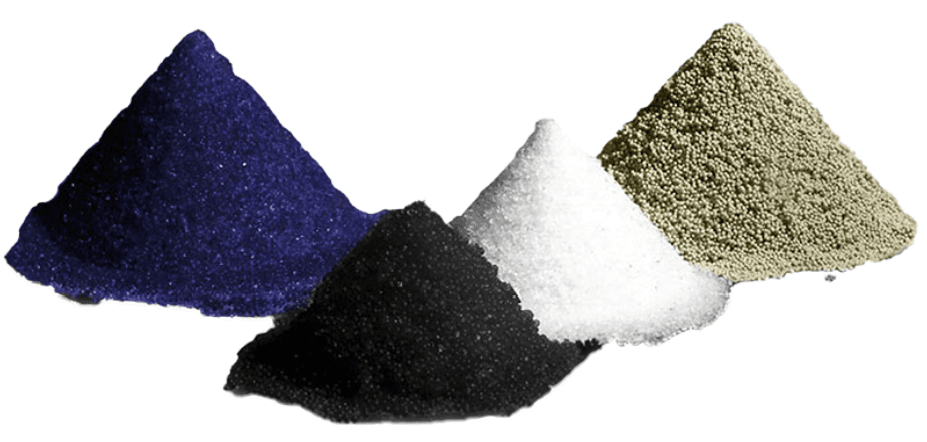
Desiccant packets may look small and simple, but their role in product protection is powerful. Multisorb desiccant packets can contain materials such as silica gel, clay, or molecular sieves, each selected to draw moisture away from the air inside a package.
The materials vary in capacity and performance, but the core principle is the same: water molecules adhere to the desiccant material instead of remaining available inside the package. This process is known as adsorption.
By lowering relative humidity in a sealed environment, desiccants help reduce the risk of mold, mildew, corrosion, chemical reactions, and other moisture-driven product defects. For many manufacturers, that makes desiccant packets a compact and cost-effective protection step.
What are the key advantages of desiccant packets?
Desiccant packets fit into a wide range of product-protection programs because they are small, scalable, and adaptable to different package formats.
- Size flexibility: packet sizes can support small pouches, cartons, bottles, kits, and larger shipping formats.
- Low profile: packets add moisture protection without significantly increasing storage or shipping requirements.
- Material options: silica gel, clay, molecular sieves, and other materials can be selected for different humidity-control needs.
- Scalability: a single packet may protect a small item, while multiple packets can support larger or bulk shipments.
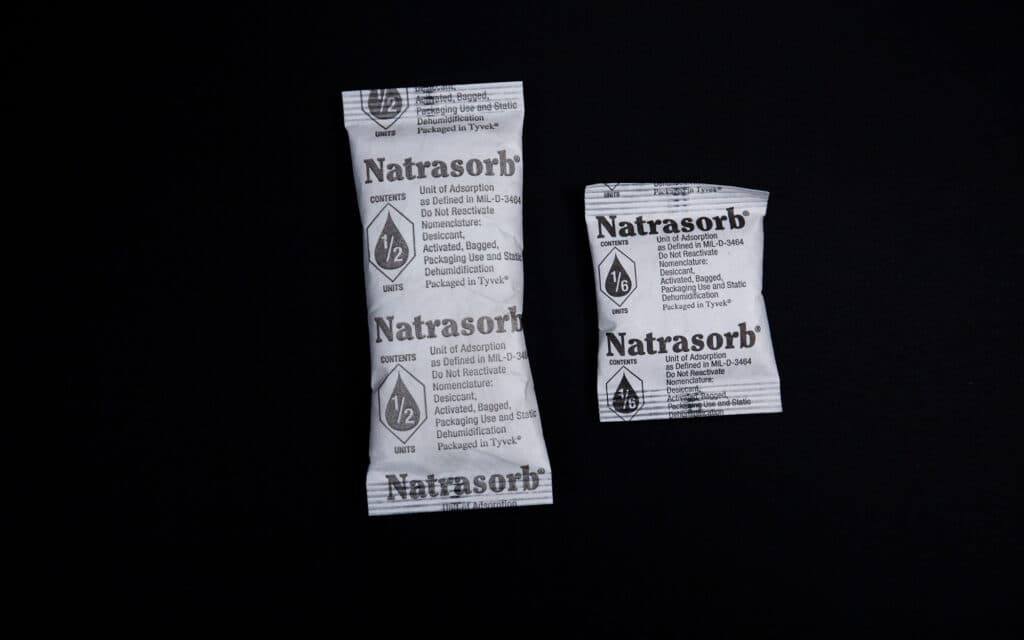
By absorbing moisture before it can damage the product, desiccant packets help reduce the chance that goods arrive compromised. That protects both direct product value and the customer's perception of quality.
Which industries benefit most from preventing moisture damage?
Any humidity-sensitive product can benefit from moisture-control packaging, but several sectors face especially high risk when moisture damage occurs:
- Food and beverage products that must maintain texture, freshness, and shelf stability.
- Pharmaceuticals and healthcare products that require consistent potency, usability, and package integrity.
- Electronics and machinery that can be affected by corrosion or condensation.
- Supplements and nutraceuticals that may degrade, clump, or lose quality when exposed to excess humidity.
When these industries incorporate desiccant packets and other protection solutions into packaging, they can reduce product issues, returns, and customer dissatisfaction tied to preventable moisture damage.
How do moisture damage prevention solutions boost customer satisfaction?
Moisture management is part of delivering a product that feels reliable from the moment the customer opens it. A product that arrives in good condition reinforces confidence in the manufacturer, distributor, and brand.
When companies integrate desiccant packets into their packaging strategy, they can support several practical business outcomes:
- Reduced return rates when fewer products arrive damaged or degraded.
- Enhanced brand image through more consistent customer experiences.
- Greater operational efficiency by reducing avoidable complaints and replacement shipments.
- Long-term cost savings tied to fewer defects, fewer returns, and better product preservation.
In competitive markets, consistent moisture protection can also become a quality signal. Products that arrive intact and ready to use help manufacturers stand out, especially in regulated or quality-sensitive sectors such as medical, pharmaceutical, supplement, and food production.
View our catalog of Multisorb moisture control products.
This blog excerpt was originally published by Multisorb Filtration Group. Used with permission. Read the original full-length article.